

Most people who dismiss Christianity have never really looked at a primary-source argument for it. Not a simplified version, but the real thing. C.S. Lewis, an Oxford scholar and former atheist known for his sharp mind, wrote Mere Christianity for exactly that reason. Eighty years later, it’s still making an impact.
This isn’t a devotional. It’s a logical test for one of life’s biggest questions.
The Problem Nobody Wants to Admit
Most people see belief as a personality trait. You’re either a believer or you’re not. What makes Mere Christianity so challenging is that Lewis completely rejects this idea, no matter which side you’re on.
He doesn’t start with scripture. Instead, he makes a philosophical point that’s harder to ignore than it seems: people everywhere, in every culture and era, have an instinctive sense of right and wrong. It’s not about having the same moral rules, but something deeper—a kind of moral grammar that exists beneath religion, politics, and upbringing.
Lewis calls this the Moral Law. Then he asks a question most readers don’t expect: where does it come from?
That’s the big question. The way Lewis builds his argument from that point to his conclusions is where the real value lies. The full Mere Christianity summary guides you through this process, step by step.
The Argument That Still Hasn’t Been Beaten
Lewis’s argument for theism isn’t just a leap of faith. It’s a logical chain of reasoning. He starts by ruling out the obvious alternatives, narrows down the options, and then makes his case. It’s the same approach a good lawyer would use.
There are countless reviews of Mere Christianity online—blog posts, podcasts, and YouTube debates. Most focus on the famous quotes but overlook how the argument actually works. Here’s what they miss: Lewis isn’t trying to stir your emotions. He wants you to follow his reasoning to the end and then make up your mind. The emotional impact comes from the strength of the logic. Most people don’t notice this switch until it’s explained.
Three Formats. Fifteen Minutes. No Excuses.
The Mere Christianity book is 240 pages long. The PDF version has been downloaded millions of times, but far fewer people finish it. The audio version lasts over five hours.
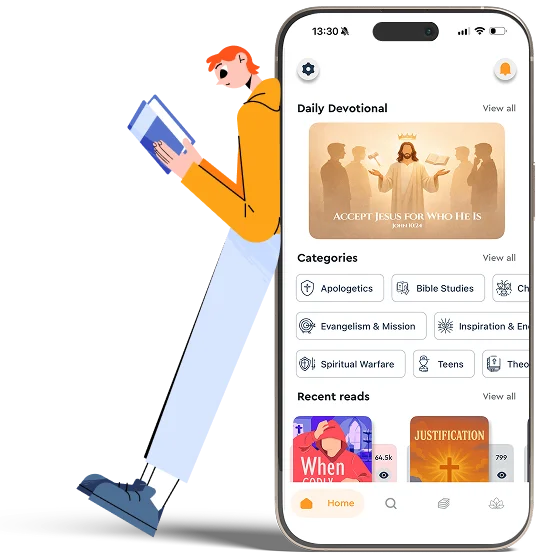
Our app, Holy Reads, fixes this problem. The full summary comes in three formats: a text version for your lunch break, an audio track for your commute or workout, and a short video that shows Lewis’s argument visually. You can cover eighty years of philosophical debate in the time it takes to finish a workout. That’s not just a shortcut—it’s efficient.
The Context That Changes Everything
Lewis wrote Mere Christianity as a radio broadcast during World War II. The country was under attack, and people were dying. Yet the BBC chose to put a professor on air to calmly discuss the foundations of moral reality.
That context is important. This isn’t a book for easy Sunday mornings. It’s for times when life feels uncertain and you need something solid. Whether you’re a skeptic searching for a serious argument or a believer who’s never looked at the foundations, this book asks for a response. Not necessarily agreement, but a response.
Ready to form your own response? Download the Holy Reads app and get the full summary in the format you prefer.